45m/s
Power fails exactly when it is needed most.
Generates when nothing else survives.
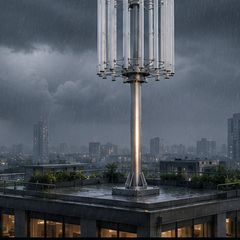
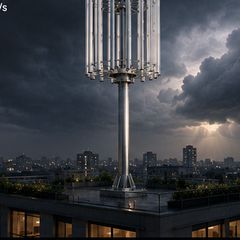
No brake, no cut-out, never parks. It rides the storm and keeps the lights on through it.
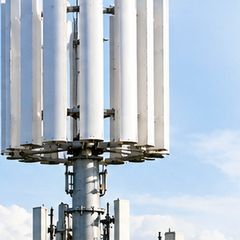
Ten kilowatts, unmanned, through the storm, on the posts, decks, towers and shelters the grid never reached and the diesel cannot follow.
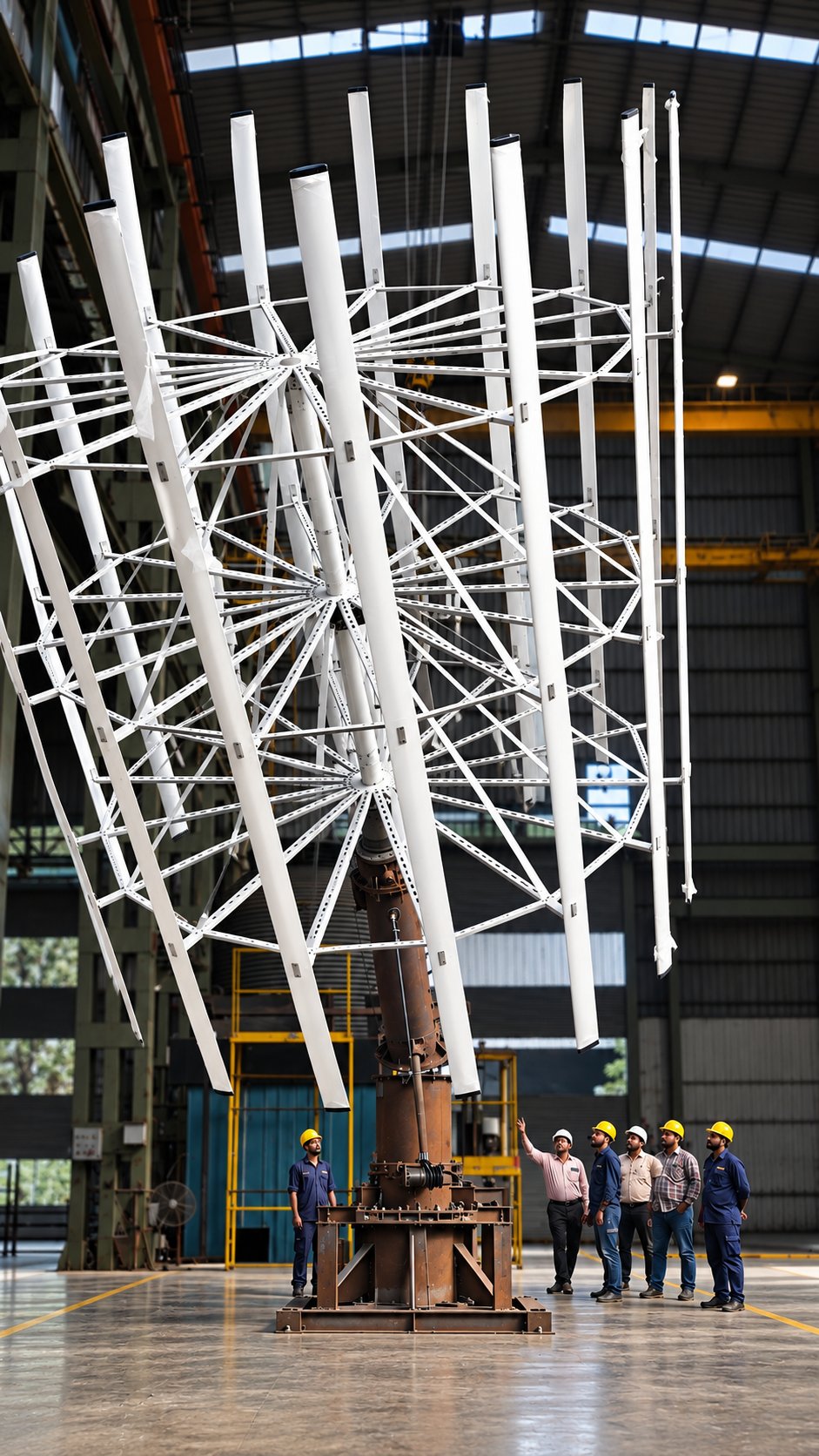
B16 needs no fuel convoy, no concrete, no crane, no grid and no technician on call, and keeps working on the day everything else stops. Eight things a border post, a relief camp or a tower site asks of its power, and the number that answers each.
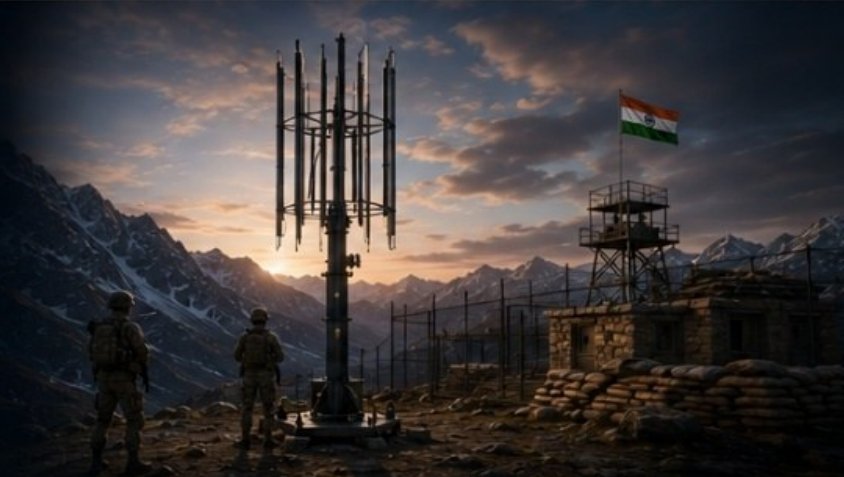 Border security
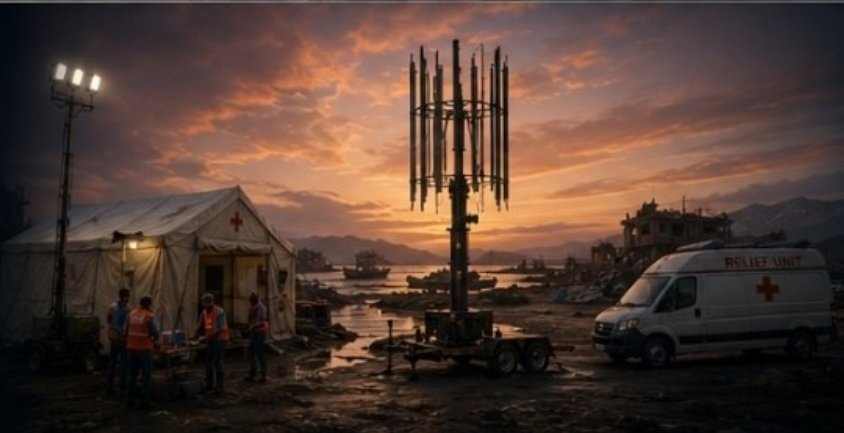 Disaster response
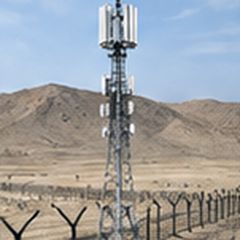
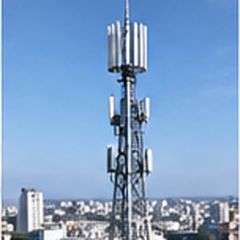
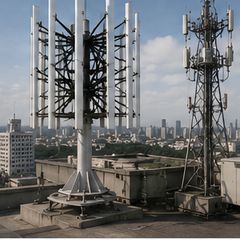
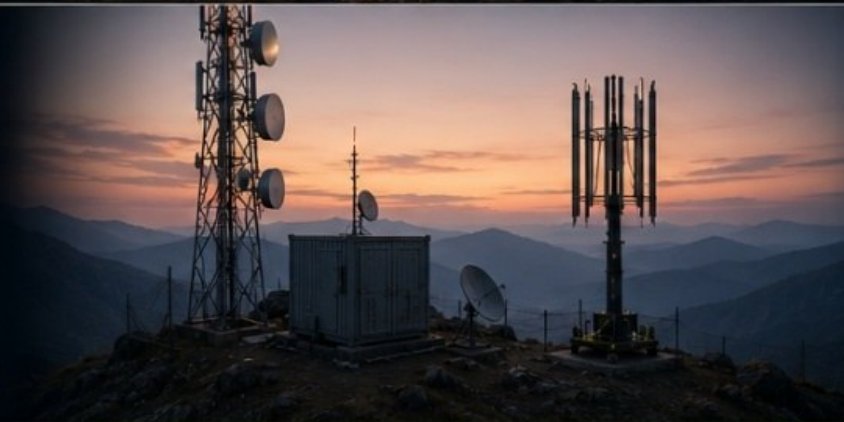 Telecommunication
No brake, no cut-out, never parks. It rides the storm and keeps the lights on through it.
The spinning rotor steadies its own tower. Through a cyclone and through a tremor, it keeps standing and keeps generating.
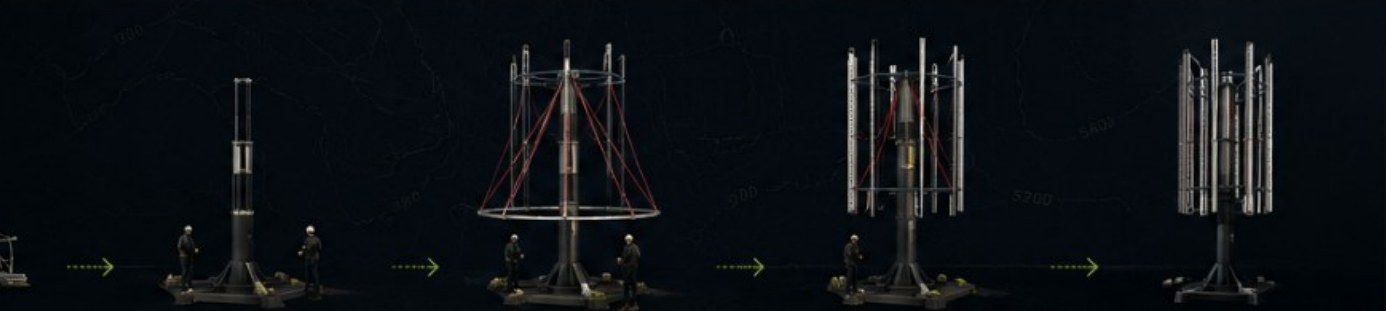
Raised by a small crew without a crane, on a ballast block, a raft, a trailer or a container.
Starts itself, powers its own control, never draws a watt from the site. When the grid drops, it is already running.
No rotating magnet, no exhaust plume, no firmware. Radar-classifiable: a signature an operator whitelists once.
Nothing to re-torque, no brake to service, no firmware to patch, no consumable to resupply.
The highest power density of any wind machine on its footprint. Every other inch keeps working.
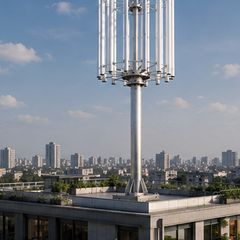
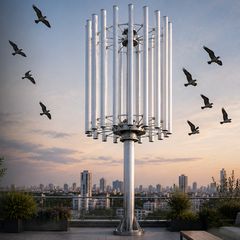
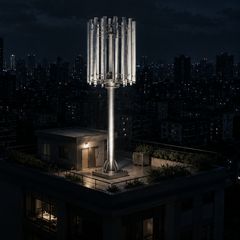
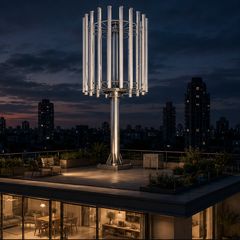
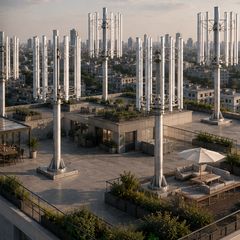
Design-validated for rooftops of tall buildings to about 90 m: the rotor's gyroscopic action steadies the tower it stands on. Power is the bonus, the steadying is the premise. Ask for the rooftop brief.
Three results worth making public because they explain what the machine feels like beside you. The drawings stay with us.
Less than the weight of a cup of coffee at full power. A conventional turbine of the same size pushes about 261 N, roughly 118 times more. This is why it stands on an occupied roof, a hospital, a ship's deck.
A conventional 10 kW turbine's rotating magnet forces about a 29 m standoff from a telecom mast or radar. B16 has no rotating magnet, so the standoff is zero, and the mast's own diesel becomes unnecessary.
No hum, no thump. At every wind speed the machine sits below the ambient the wind itself makes. People sleep beneath it; animals graze beside it; zero bird strikes in nine-plus years, every site.
Generator at the base, nothing heavy at the top. The tower tilts up; the machine stands on whatever you brought it on.
Designed for telecom, defence, disaster prevention and beyond. Same unit, same generator, same control. What changes is the ground beneath it.
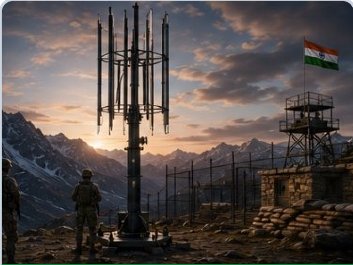
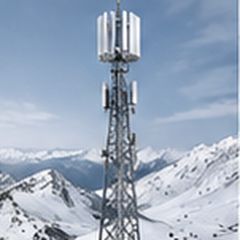
Runs at −40 °C with nothing to resupply.
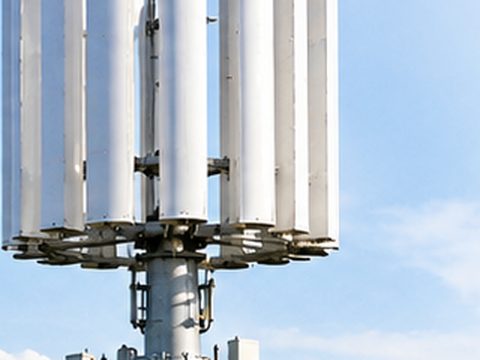
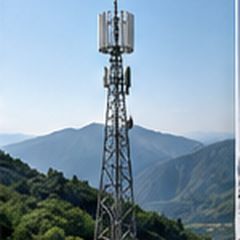
Powers the mast in place of the diesel.
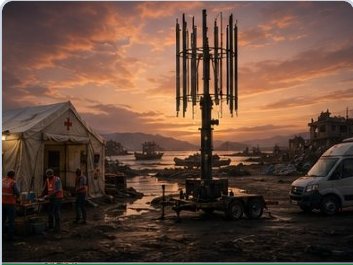
Powers camps, control rooms and hospitals while the grid is down.
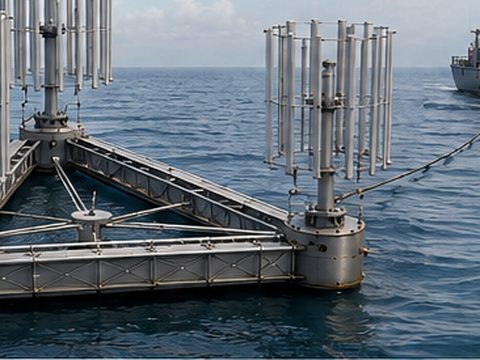
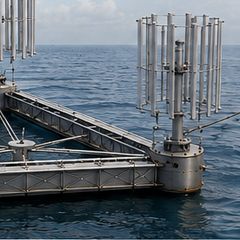
Marine-grade: shore, deck, or offshore raft. Raft: in-house tested, first site pending.
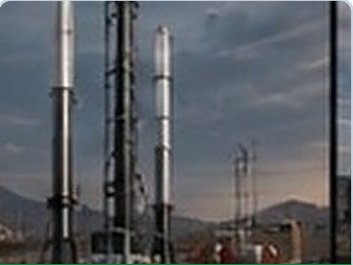
Runs in hazardous zones: no spark, no fuel store, no shake.
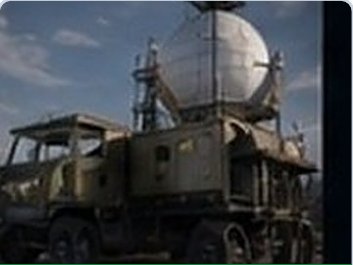
Radar-classifiable, low signature, mobile.
Three environments that ordinarily destroy equipment. Years of unmanned operation in each, generation logged through the night.
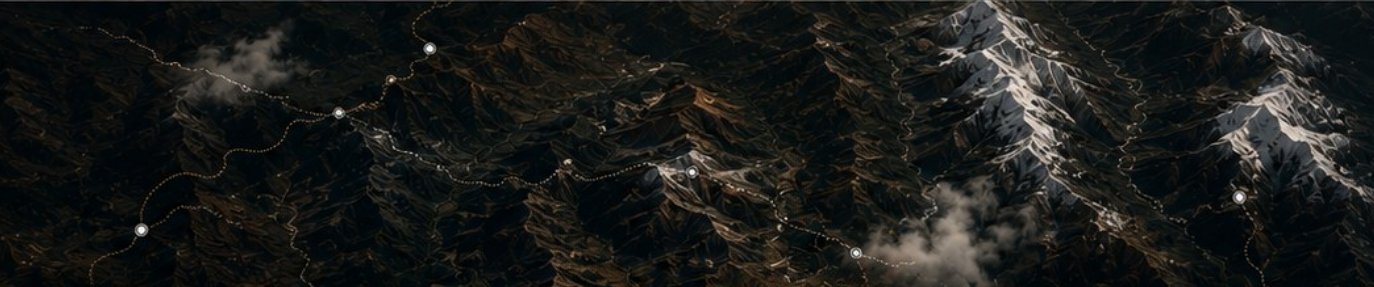
Coastal, saline, tidal, remote. Border Security Force deployment.
Inside a perimeter where a spark, a fuel store or a shaking foundation is not permitted.
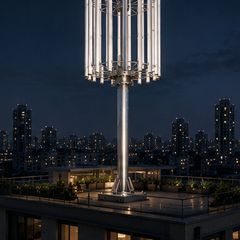
Above homes and offices of an NSE-listed developer. Residents hear the wind, not the machine.
Each of these records a different dimension of the platform.
WindForAll PowerTech LLP designs and manufactures the TAPS B16 vertical-axis wind turbine at Vatva GIDC, Ahmedabad, India: a closely held deep-tech manufacturer run by people who run factories.